

The timeless argument regarding destiny and free will has found a different home in the vibrant, noisy sphere of internet casinos, particularly surrounding the Lucky Jet game in UK establishments. This crash-style game displays a cartoon jet rising as a multiplier value increases, till it arbitrarily flies off the screen. It hooks gamblers with the chance for rapid victories, but likewise with a more profound, unvoiced inquiry: is the result fixed by a concealed system, or is it possible that a user’s own choices genuinely affect their chances? This question reaches the core of the way people engage with betting games, mixing old wisdom with the immediate excitement of a online bet. For plenty of users in the UK, a session on the Lucky Jet game is not merely a source of entertainment. It becomes a individual challenge, a means to examine the line between randomness and intentional choice.
The Essence of the Game: A Primer on Lucky Jet Mechanics
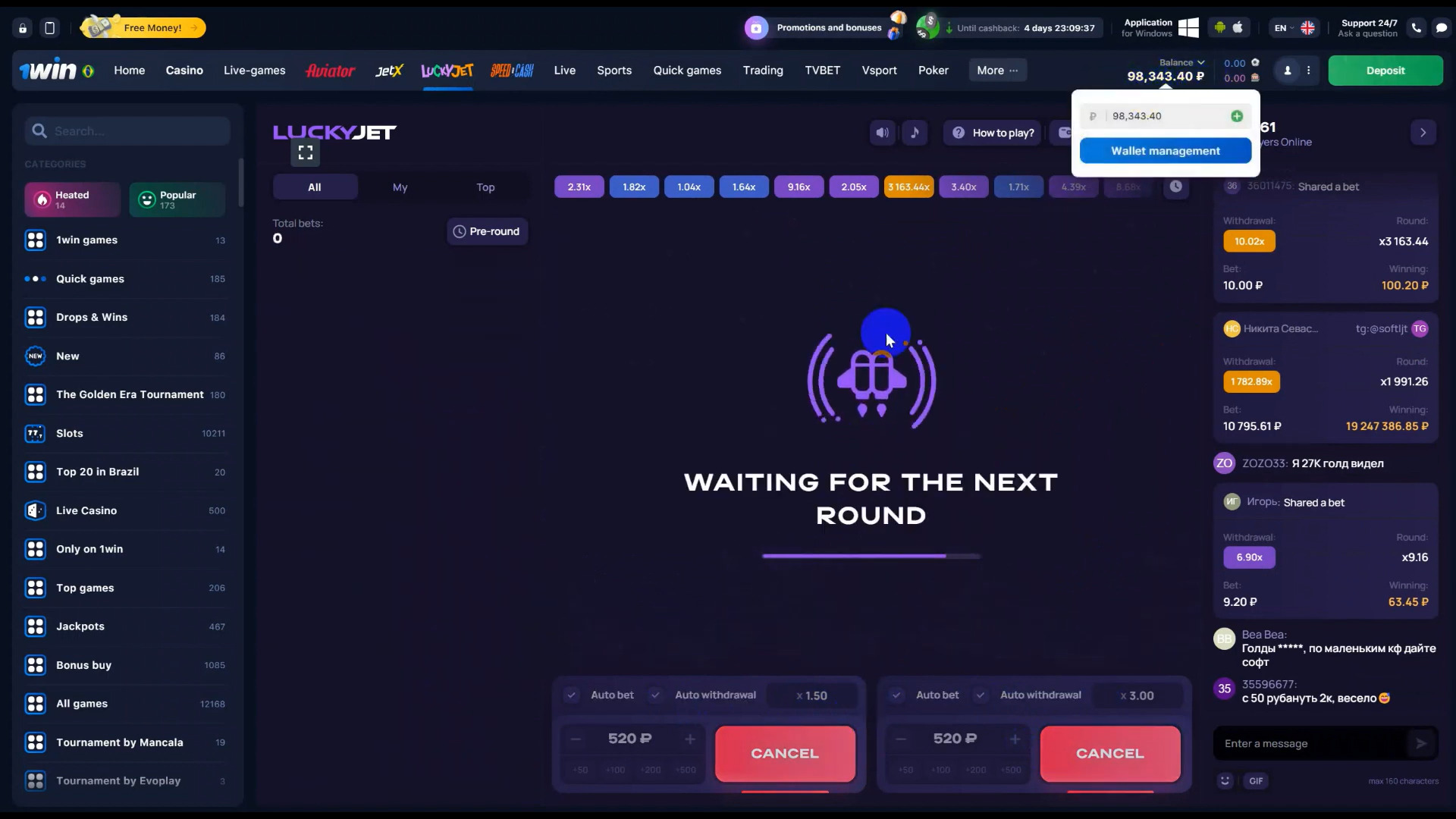
You need to grasp how Lucky Jet works before the fate versus choice debate becomes clear. A player places a bet. The round starts, and a bright little jet starts to climb. A multiplier rises from 1x in real time. The goal involves hit ‘Cash Out’ before the jet suddenly vanishes, grabbing whatever multiplier is visible at that exact moment. If you’re too slow, you give up your stake. This produces a tense, rapid environment where every decision occurs in a flash. The game’s algorithm decides the precise instant the jet will vanish, a number hidden from everyone. This basic setup—a obvious risk that climbs until a secret, random endpoint—is what drives the whole philosophical argument. It invites players to guess the moment fate will intervene.
The game’s sights and sounds are designed to sell a story of control. The increasing numbers and the ever-present cash-out button produce a powerful feeling of influence. It looks like your timing, your instinct, is what is important. But the underlying code, certified as random by regulators, carries out its own thing no matter what any player does. The gap between that sense of participation and the harsh truth of the programming is where the debate heats up. UK players, accustomed to games with some skill involved, often imagine patterns in the randomness. They see streaks or build a ‘gut feel’ where none actually exist. In doing so, they wrestle with the idea of free will inside a system that is, at its core, fated.
The Reasoning Behind Fate: Fixed Outcomes and Random Number Generators
Proponents of fate point straight to the technology under the hood: the Random Number Generator, or RNG. This complex algorithm creates the result of each round—how long the jet flies, the crash location—at the exact instant the round begins. That’s far before anyone clicks to cash out. From this viewpoint, every result is predetermined. A player’s decision to withdraw at 2.5x or 5x is simply a guess. That guess either matches a destiny already encoded in the code, or it doesn’t. The game becomes a reveal of what was destined to happen, not a test of skill. The RNG serves as a neutral, mysterious oracle.
Oversight and licensing for UK online casinos back up this view. Trustworthy platforms have their RNGs checked often by independent testers like eCOGRA or iTech Labs. These audits verify genuine randomness and fairness. This process demonstrates that nothing outside the system, like how a player behaves, can change the pre-set result. So, the feeling of making a opportune choice is, from a technical standpoint, a mirage. The jet was always going to crash at a specific number. A successful cash-out merely indicates the player clicked at the right moment at that pre-written moment in the game’s script. It’s a indication of chance, not control.
Our own minds commonly back a fatalistic take. The human brain is well-known for finding order in chaos, a habit called apophenia. When a player hits a hot streak or a bad run of losses, they might credit a bigger plan or ‘the game’s mood’. This storytelling feels compelling, but it doesn’t change the destiny-driven mechanics underneath. For some, acknowledging fate’s role can be a relief. It removes the weight of responsibility for losses and presents wins as lucky gifts from the random number gods. This outlook can foster more disengaged and perhaps more responsible play.
The case for free will: Tactics, Discipline, and Informed Selection
On the opposite end, there’s a solid argument for free will in how people play Lucky Jet. The crash point itself is random, yes. But a player’s path to that point is built from personal choices. Asserting agency starts with managing your bankroll: choosing a stake size, defining win targets and loss limits before you even make a bet. This basic discipline is a pure act of free will. It shapes your long-term experience no matter what any single fated round delivers. A player who opts never to chase losses and to quit after a set win is actively building their own story.
Strategic approaches to cashing out also reveal tactical free will. Some players employ a fixed multiplier plan, like always cashing out at 2x, banking smaller but more frequent wins. Others might try a progressive or hedging system, allocating bets across different multiplier ranges. These are conscious plans, born from thought and choice, that respond to the game’s randomness. The free will isn’t in changing the jet’s path, but in carving out your own path alongside it. The player who hesitates, who watches a few rounds without betting, or who bypasses a game entirely is making active choices that affect their overall position.
The social side of the game feeds into this too. In live rounds, players can observe the bets and cash-out points of others. This can guide their own decisions, though it provides no guarantees. Choosing to follow a player on a roll, or to deliberately go against the crowd, are acts of free will. The environment of a UK online casino, with its tools for establishing limits and access to game history, offers players the means to make more informed choices. This positions the game not as a passive surrender to fate, but as an active exercise in managing risk and making decisions when you can’t be sure of the outcome.
Mental Underpinnings: Why the Controversy Connects with Players
The destiny versus free will discussion around Lucky Jet gets its energy from deep psychological foundations. The ‘illusion of control’ is a recognized cognitive bias. It causes people to overestimate their ability to influence events that are mostly determined by chance. Lucky Jet’s interactive, fast-paced design, with its demanding cash-out button, is ideal for fostering this illusion. Every click seems like a meaningful action. It enhances the player’s sense of agency and personal skill, making the game more engaging than a simple, passive lottery draw.
This pull deepens with the stories players tell themselves. After a session, people naturally construct narratives: “I had a hunch it would crash, so I got out just in time,” or “I knew I should have taken the money earlier.” These stories try to impose a clear, cause-and-effect plot onto random events. They place free will and intuition above accepting pure randomness. Storytelling is a fundamental human method to make sense of things. It turns a sequence of algorithmic outputs into a personal saga of victory, regret, or close calls.
For the UK audience, culture brings another layer. Societies that champion self-determination and ‘making your own luck’ might nudge players towards the free will side without them being aware. The very language of gaming—’strategy’, ‘play’, ‘decision’—hints at a level of control. The tension between this cultural leaning and the mathematical reality of the RNG creates a powerful kind of mental discomfort. Players constantly work through this space. Their beliefs might shift with every win or loss, converting the philosophical debate into a tangible, emotional experience instead of just a classroom topic.
Balancing the Viewpoints: A Pragmatic View for UK Players
A practical blend of the fate and free will arguments provides the most well-rounded and healthy way to tackle Lucky Jet. Embracing fate means recognising the absolute randomness of each round’s outcome. This insight is vital for responsible play. It stops the harmful idea that you can ‘crack the code’ or that a system ensures wins, notions that can lead to problem gambling. The RNG is the supreme authority. Respecting that is a form of intellectual honesty.
At the same time, embracing free will means taking full ownership of everything surrounding the game. This encompasses all financial decisions, time management, managing your emotions in check, and choosing when and where to play. A player exercises free will by selecting a reputable, UK-licensed casino that offers Lucky Jet, by using deposit limits and reality checks, and by deciding to play for entertainment, not as a job. This sphere of control is vast and important. It directly decides the real-world consequences of playing.

The Lucky Jet game can function as a parallel for life’s bigger ambiguities. Some core events might appear fated. But people have significant power in how they plan for those events, how they adapt, and how they manoeuvre around them. The smart UK player enjoys the thrilling climb of the jet, takes their choice based on a plan they established beforehand, and takes the result calmly. They know they controlled everything they could. This well-rounded view converts the game from a philosophical war zone into a controlled form of fun, where both luck and choice have their clear and honoured places.
FAQ
Is the outcome of every Lucky Jet round really random?
Yes. In a fully licensed casino for UK players, a verified Random Number Generator (RNG) decides each round’s crash point as the round begins. This keeps the outcome random and just. It holds no connection to the moment a player cashes out. Independent auditors test these RNGs frequently to confirm they work correctly.
Can any strategy or system ensure wins in Lucky Jet?
Not at all. Not a single strategy can guarantee a win or beat the built-in randomness of the game. Smart bankroll management and fixed cash-out plans can help you control risk and play longer, but they cannot modify the pre-set crash point. Any system that states guaranteed success is not telling the truth, because the core of the game is chance.
Will watching previous rounds assist predict the next crash?
Not at all. Past rounds do not influence future ones. The Lucky Jet RNG does not operate in cycles or patterns. Every round is a independent event. Players often hunt for trends, but this is a mental trap known as the gambler’s fallacy. The crash point is newly and randomly generated for each single game.
What aspects of the game can a player really control?
Players have total control over their stake size, when they tap to cash out, their session budget, and their emotional reaction. They determine when to begin and stop playing, what money management tactics to employ, and whether to utilize casino tools like deposit limits. These are strong, individual choices.
Can Lucky Jet viewed a game of skill or pure chance?
Lucky Jet is by law and structurally a game of chance. The key element—the crash—is arbitrary. But it involves judgment about the moment and risk, which can generate a impression of skill. The ultimate result, however, is fully based on chance, like a digital raffle where you decide when to quit.
By what means can UK players guarantee they are playing Lucky Jet safely?
UK players should only use casinos authorized by the UK Gambling Commission. They should set rigorous deposit and loss limits before playing, consider the game as paid recreation rather than a way to make money, and under no circumstances try to win back losses. Using time alerts and self-ban tools on reputable sites is also key. Careful play is about controlling your actions, not the game’s conclusion.
Can you spot any warning signs the jet is about to crash?
There are no actual clues or trends that predict the crash. The jet’s animation is separate from the RNG result. Any visual clues or ‘feelings’ you perceive are tricks of the mind. The crash happens at a pre-determined, Lucky Jet Payment Methods, random moment. The animation is just a fun graphic that mirrors the result already decided by the RNG.
